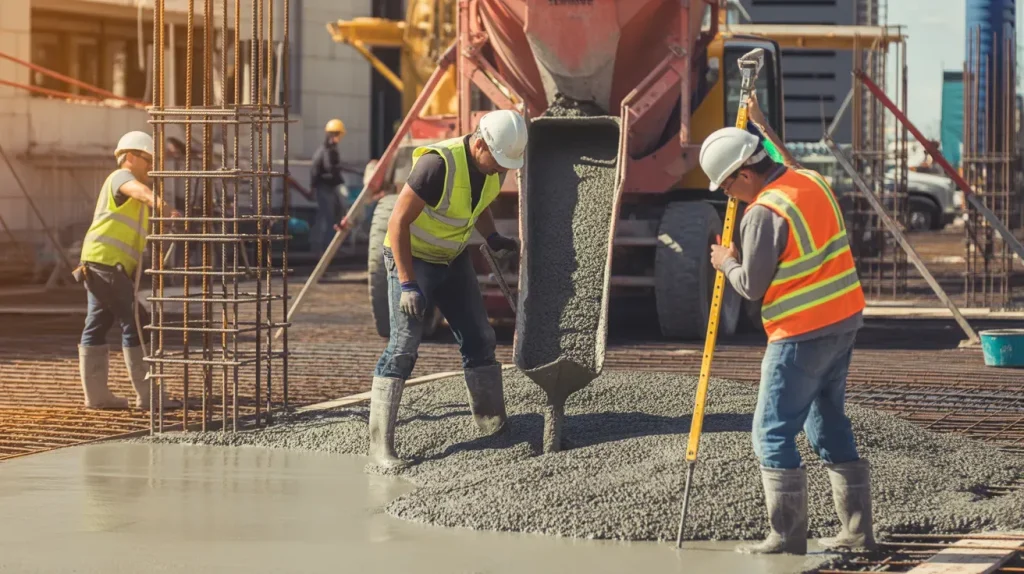
Concrete construction projects are really important for building infrastructure. This is true whether you are building a home or expanding a business facility or upgrading industrial spaces. These projects need to be planned and use good materials and skilled workers and pay attention to details all the time. This way they will be strong and safe and valuable for a time. When they are done right they last a time and meet the needs of people who use them.
Why Effective Planning Drives Success in Concrete Construction Project
Successful outcomes begin long before the first truck arrives on the site of a construction project. Planning for a construction project includes checking out the site testing the soil calculating the weight that the construction will need to support and picking the mix of materials based on what the project needs. Construction projects need this planning to avoid delays, cracks or structural issues later on.
Key Elements of Strong Planning
- Understanding soil conditions and drainage
- Selecting appropriate concrete strength (PSI rating)
- Coordinating with local building codes and permits
- Budgeting for materials, labor, and contingencies
Building Durable Homes with Residential Concrete Construction Projects
Homeowners and builders often work on residential concrete construction projects for driveways, patios, foundations, sidewalks and garage floors. These projects make homes look better, are safer and increase the value of the property when done correctly.
Common Residential Applications
- Durable driveways that resist cracking from freeze-thaw cycles
- Smooth, slip-resistant sidewalks and pathways
- Sturdy foundations that protect against settling
For home improvements, many people try their hand at concrete DIY projects like making custom planters, garden benches, or decorative stepping stones. These projects let you be creative and teach you the basics of mixing, forming, and finishing concrete.
Creative Approaches in Concrete DIY Projects
Many homeowners and hobbyists are increasingly turning to creative concrete diy projects to personalize their outdoor and indoor spaces without hiring professionals. From crafting custom garden pathways and decorative benches to building unique planters and modern furniture pieces, these hands-on activities offer both satisfaction and cost savings. concrete diy projects allow individuals to experiment with stamping, coloring, embedding stones, or creating textured finishes that add character to their homes.
Tips for Successful Creative Concrete DIY Projects
However, success depends on proper preparation, using the right mix ratios, and allowing adequate curing time. Beginners should start with small-scale projects to build confidence before attempting larger installations. When executed correctly, these DIY efforts not only enhance aesthetic appeal but also improve functionality and property value while providing a rewarding creative outlet.
Expanding Infrastructure through Large Commercial Concrete Projects
Businesses and developers need large commercial concrete projects for warehouses, retail centers, parking structures, and office buildings. These projects require a load-bearing capacity, faster installation methods, and stricter quality controls compared to residential work.
Industrial and Structural Performance Requirements
Industrial commercial concrete projects often involve machinery and areas that need to be resistant to chemicals. These projects also have slabs of concrete that must be able to withstand a lot of traffic and wear and tear. Structural commercial concrete projects that involve building structures focus on making sure the beams, columns, and elevated slabs are strong and safe. This requires a lot of precision when it comes to putting in the support and making sure the concrete is cured properly.
Experienced teams like those at City Concrete Corporation have the skills to handle jobs. They make sure that the work meets engineering standards and that the project is finished on time.
City Concrete Corporation Projects: Where Ideas Meet Execution
When it comes to construction projects, many contractors and developers rely on City Concrete Corporation projects because they have a lot of experience. City Concrete Corporation offers solutions like concrete slabs, walls that are made by tilting up, and special mixes of concrete that are made for commercial and industrial buildings.
Their track record in delivering reliable results helps reduce risks and keeps large-scale developments on schedule and within budget.
Creative Concrete DIY Projects for Homeowners
Not every improvement requires heavy equipment. Creative concrete diy projects let enthusiasts add unique touches around the house or garden. Popular ideas include:
- Stamped or stained concrete patios with custom patterns
- Concrete countertops or tabletops for outdoor kitchens
- Decorative garden elements like birdbaths, benches, or planters
- Painted or embedded aggregate finishes for visual interest
These smaller-scale efforts build skills and confidence before moving on to bigger concrete construction projects.
Ensuring Durable and Safe Results with Best Practices
To achieve professional-quality outcomes in any concrete construction projects, follow these proven practices:
Essential Construction Practices
- Use the correct water-to-cement ratio for workability and strength
- Ensure proper vibration and consolidation to eliminate air pockets
- Apply adequate curing methods (moist curing or curing compounds) for at least 7 days
- Protect fresh concrete from extreme weather, especially rain or freezing temperatures
- Schedule regular quality testing and inspections
Adhering to these steps minimizes common problems like cracking, scaling, or surface dusting.
Securing the Right Partner for Optimal Project Outcomes
When you are working on a project it is really important to get help from people who know what they are doing. This is true for commercial projects, small residential projects or even fun DIY projects. You want to work with people who are experienced and who can help you get the job done right. Look for teams that care about safety, talk to you clearly and want to make sure your project lasts a long time.
City Concrete Corporation and similar reputable providers offer the technical know-how and resources required for successful execution across project types.
Conclusion
Concrete construction projects represent a major investment in any property or facility. By focusing on quality planning, proper materials, skilled workmanship, and regular maintenance, you can create structures that deliver safety, functionality, and beauty for decades. Taking the time to do it right from the start saves money and headaches down the road.
Ready to start your next concrete project? Consult with qualified experts who understand your specific needs and can guide you toward the best possible outcome.
Frequently Asked Questions
Q1: What is the most important factor in successful concrete construction projects?
Proper planning and mix design are critical. They ensure the concrete meets the required strength and durability for the intended use, whether residential, commercial, or industrial.
Q2: Can I handle small concrete diy projects myself?
Yes, many creative concrete diy projects like planters, benches, or garden paths are suitable for beginners with basic tools and safety precautions. Start small and follow reliable tutorials.
Q3: What makes large commercial concrete projects different from residential ones?
Large commercial concrete projects usually involve higher strength requirements, larger continuous pours, advanced reinforcement techniques, and stricter compliance with building codes and safety standards.
Q4: How do city concrete corporation solutions help in complex builds?
City Concrete Corporation solutions provide specialized expertise, quality-controlled materials, and experienced crews that help deliver City Concrete Corporation projects on time while meeting engineering and durability standards.
Q5: When should I consider professional help instead of DIY for concrete work?
Seek professionals for structural elements, structural commercial concrete projects, foundations, or any job involving heavy loads, chemical exposure, or compliance with local regulations.
