A nice sidewalk is not something that connects your driveway to your front door. It is actually the thing people see when they come to your home. A good sidewalk can handle a lot of people walking on it over the years. It also adds value to your property. To get a sidewalk like that, you need to work with the right concrete sidewalk installers. They will do the job right. Whether you are building a sidewalk or fixing an old one, it is good to know the basics. This will save you time and money. You will also avoid a lot of stress. That is why it is so important to find the right sidewalk installers because they know what they are doing.
Why Hiring Concrete Sidewalk Installers Is a Smart Investment
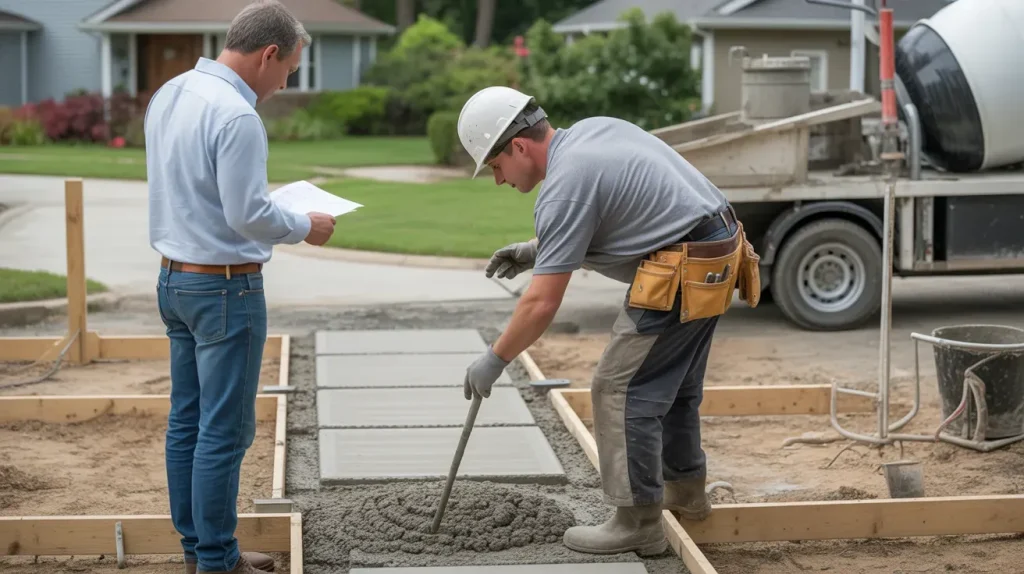
People think laying a sidewalk is easy. They think you just pour the concrete and you are done. That is not true. Proper concrete sidewalk construction the right way takes planning and careful work at every step. The ground has to be prepared. The forms have to be set up at the angles. The concrete mix has to be good for your weather. If you do not do these things right, you will end up with a sidewalk that cracks and is uneven. Water will also collect in the places.
Professional sidewalk installers know the rules in your area. In places, there are rules about how wide a sidewalk can be, how steep it can be, and what materials you can use. This is especially true for sidewalks near roads or shared walkways. A contractor who knows these rules can help you avoid problems later on.
The Role of Concrete Sidewalk Depth
One of the most overlooked aspects of a sidewalk project is thickness. Standard residential sidewalks are typically poured at four inches deep. However, if the walkway will carry heavier loads like golf carts or delivery vehicles, contractors often recommend going to six inches. The right concrete sidewalk depth makes the difference between a slab that holds for 25 years and one that starts cracking within five.
Common Sidewalk Problems and How They Get Fixed
Even good concrete eventually shows its age. Freeze-thaw cycles, tree roots, heavy use, and poor original installation all take their toll. The good news is that most issues can be addressed without a full replacement.
| Problem | Common Cause | Recommended Fix |
| Surface cracking | Freeze-thaw, age | Sidewalk concrete repair |
| Uneven slabs | Soil settling, roots | Mudjacking or replacement |
| Flaking surface | Deicers, moisture | Resurface concrete sidewalk |
| Staining or dullness | Oil, weather exposure | Clean and seal |
Why You Might Choose to Resurface a Concrete Sidewalk Instead of Replacing It
If you notice your structure underneath looks solid, but the surface looks worn out, the budget-friendly option for you is to consider a resurfacing option. A thin overlay is applied over the previously laid slab, giving it a fresh look and added protection without the cost of tearing everything out. This works well when cracking is mostly cosmetic. However, if the slab has shifted significantly or has deep structural cracks, full sidewalk concrete repair or replacement is usually the better call.
Protecting Your Sidewalk for the Long Haul
Once your sidewalk is installed or repaired, protecting it is the next priority. A quality concrete sealer for sidewalks acts as a shield against moisture, stains, and surface wear. Most sealers need to be reapplied every two to three years, depending on the product and the level of foot traffic. Skipping this step is one of the most common reasons sidewalks deteriorate faster than they should.
Look for a penetrating sealer rather than a topical one for outdoor surfaces. Penetrating sealers soak into the concrete and protect from within, while topical sealers sit on the surface and can become slippery when wet. When selecting a concrete sealer for sidewalks, always check that it is rated for outdoor use and freeze-thaw conditions in your area.
Sidewalks and Driveways: Planning Them Together
Many homeowners upgrade their sidewalk and driveway at the same time, and for good reason. Planning concrete sidewalks and driveways together allows for a unified look, consistent material specifications, and often a better price from your contractor. The two surfaces connect visually and structurally, so having them poured together or within the same project phase creates a cleaner result.
When discussing concrete sidewalks and driveways with your installer, ask about joint placement. Expansion joints prevent cracking by giving the concrete room to move slightly with temperature changes. A contractor who properly plans joint locations for both surfaces shows they understand the long-term behavior of the material.
What Proper Concrete Sidewalk Construction Looks Like
A professional installation starts well before the first drop of concrete is poured. The area needs to be excavated to the correct depth, compacted properly, and sometimes fitted with a gravel base for drainage. Rebar or wire mesh may be added for extra reinforcement. Then the concrete is poured, leveled, and finished with the right texture so it is not slippery underfoot. Curing is just as important as the pour itself. Good installers will protect the slab for at least a week after finishing.
Conclusion
Whether you are building new or refreshing what you have, the quality of your sidewalk comes down to the people doing the work. Skilled concrete sidewalk installers bring the technical knowledge, proper tools, and attention to detail that lead to results you can count on for decades. Do not let price alone drive your decision. Ask about their process, check their previous work, and make sure they understand your specific needs.
Frequently Asked Questions
-
How do I find trustworthy concrete sidewalk installers near me?
Look for licensed contractors with verifiable reviews, a clear process for site prep, and who provide written estimates. Ask to see photos of past projects and confirm they understand local codes in your area.
-
How thick should a residential sidewalk be?
Standard concrete sidewalk depth for homes is four inches, though high-traffic or load-bearing paths may need six inches for added durability.
-
Is it worth it to resurface instead of replacing a damaged sidewalk?
Yes, when the base slab is structurally sound. If damage is mostly on the surface, it makes sense to resurface concrete sidewalk sections rather than pay for a full tearout and replacement.
-
What type of sealer works best for outdoor sidewalks?
A penetrating concrete sealer for sidewalks is the best choice for outdoor use. It protects from within, holds up in freeze-thaw climates, and does not leave a slippery film on the surface.
-
Can I get my sidewalk and driveway done at the same time?
Absolutely. Planning concrete sidewalk repair or new installation alongside driveway work often results in better pricing and a more cohesive final look across your property.
